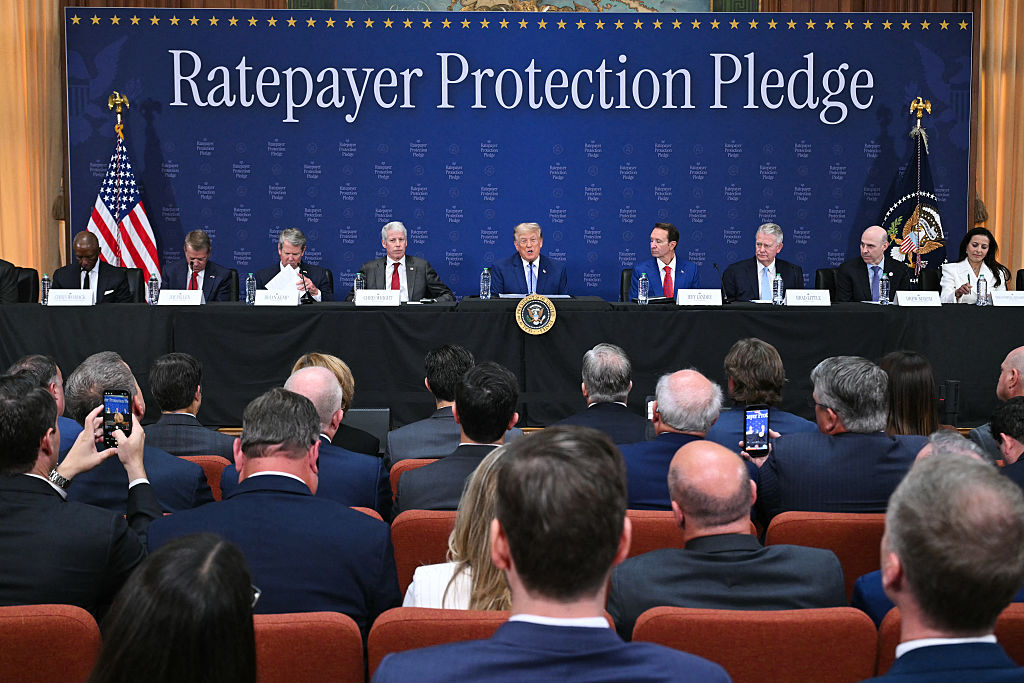
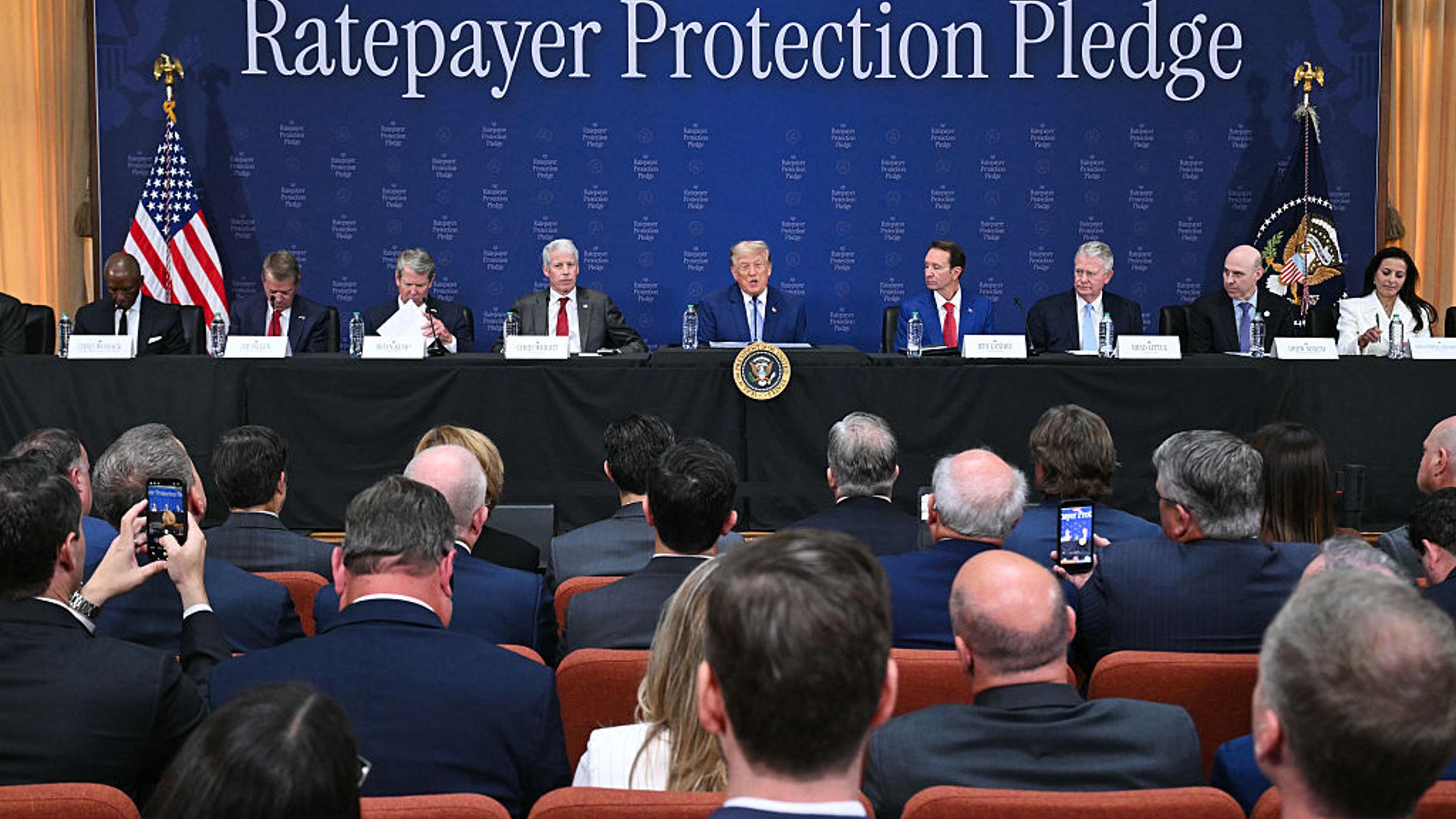
But there’s also little doubt that the pledge, which is voluntary with no enforcement mechanism, is just tinkering around the edges of the issue. And the slower policymakers are to take decisive, substantive action, the more likely it becomes that today’s targeted fixes give way to demands for wholesale restructuring.
Two days before Trump launched his updated pledge, I moderated a panel at the Aspen Ideas Climate summit in Chicago addressing issues of rising electricity costs and reliability issues on the grid. The most interesting exchange came over the needed scale of solutions.
Allison Clements, a former member of the Federal Energy Regulatory Commission, argued that states and utilities should move quickly to insulate customers from the cost of data centers, citing a range of regulatory tweaks. University of Chicago economist Michael Greenstone pushed back, suggesting that instead policymakers should use this moment to rethink the country’s fundamentally inefficient electricity system, reimagining how rates are designed to begin with and giving federal regulators greater authority to build transmission. “One should not waste a crisis,” he said.